
ANP International
Our History
A Legacy of Struggle, Democracy & Public Service
The history of the Awami National Party is connected with a long political and social struggle rooted in the traditions of Bacha Khan, the leadership of Abdul Wali Khan, and the broader democratic and progressive movements of Pakistan.
The present-day Awami National Party was formally established in 1986 under the leadership of Khan Abdul Wali Khan, following the merger of the National Democratic Party with other progressive and nationalist political groups.
Our Journey Through Time
The Roots of Our Political Tradition
The Legacy of Bacha Khan
The political tradition associated with ANP traces its roots to Khan Abdul Ghaffar Khan (Bacha Khan) and the Khudai Khidmatgar movement.
Bacha Khan's political work became associated with non-violent political struggle, social reform and public service. This tradition later influenced the political career of his son, Khan Abdul Wali Khan.
1950s–1970s
The National Awami Party Era
Before the formation of ANP, Abdul Wali Khan became associated with the National Awami Party (NAP).
The National Awami Party was established in 1957 through the coming together of several progressive and regional political groups. In the following years, the party became an important part of Pakistan's opposition politics.
In 1967, NAP divided into two factions, with Abdul Wali Khan leading the faction that became known as NAP (Wali).
1970s
Political Struggle
The NAP participated in Pakistan's political process during the 1970s and formed coalition provincial governments in what was then the North-West Frontier Province (NWFP) and Balochistan in 1972.
The party subsequently faced a ban and its leadership faced imprisonment. According to the historical account on Wikipedia, the charges against NAP were later withdrawn during General Zia-ul-Haq's rule.
Following the dissolution of NAP, Abdul Wali Khan became associated with the National Democratic Party, which later became part of the political process that led to the formation of ANP.
1986
The Awami National Party Is Founded
On 28 July 1986, the Awami National Party (ANP) was established through the merger of the National Democratic Party with several progressive and nationalist political groups.
Khan Abdul Wali Khan became the party's first president, while Rasul Bux Palijo was appointed its first secretary general.
From 1986 to 1988, ANP participated in the Movement for Restoration of Democracy (MRD).
1988–2000
Democratic Politics & Alliances
Following the 1988 elections, ANP formed political alliances and coalition governments with other parties, including the Pakistan Peoples Party.
During the 1990s, ANP also entered into political cooperation with the Pakistan Muslim League. The party remained active in parliamentary politics and participated in national and provincial elections.
2008–2013
Government in Khyber Pakhtunkhwa
The 2008 general elections marked an important period in ANP's parliamentary history.
ANP formed coalition governments with the Pakistan Peoples Party in several areas and formed a provincial government in Khyber Pakhtunkhwa. The party had its first Chief Minister of the province since 1948 during this period.
Today
A Continuing Organizational Tradition
Today, ANP maintains a formal organizational structure through its central and provincial bodies. Its official constitution provides for central councils, working committees, provincial organizations, internal elections and overseas chapters.
The party's official website describes its guiding principles around democratic federalism, social justice, provincial autonomy, non-violence and equal rights.
Historical Photo Gallery
A visual journey through key moments in the history of the Awami National Party.
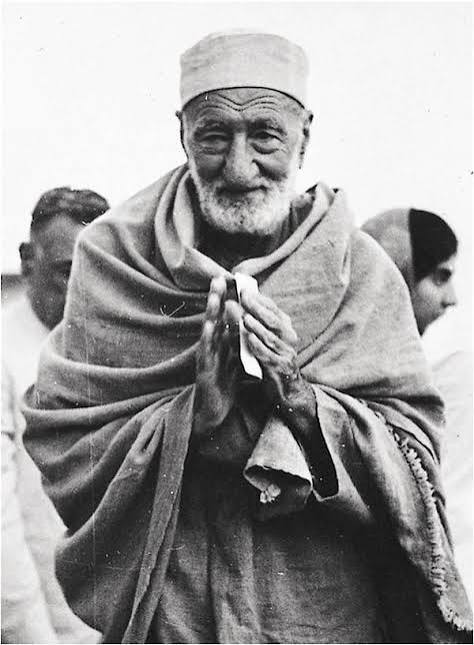 Bacha Khan
Bacha Khan greets supporters — an enduring image of his connection with the people and commitment to public service.
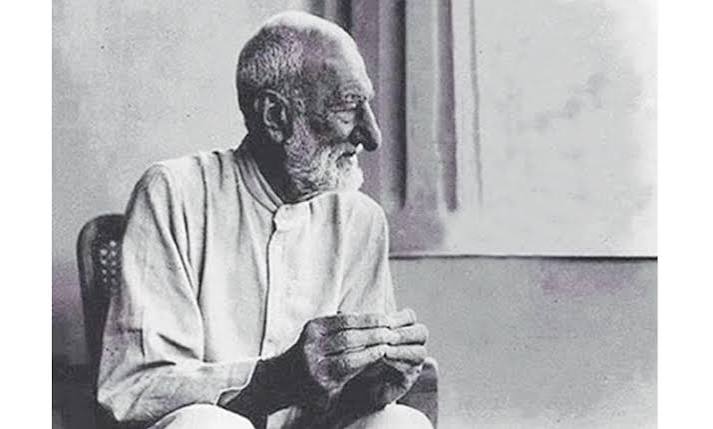 Bacha Khan
A historical portrait of Bacha Khan, whose principles of non-violence, social reform and democratic struggle shaped the movement.
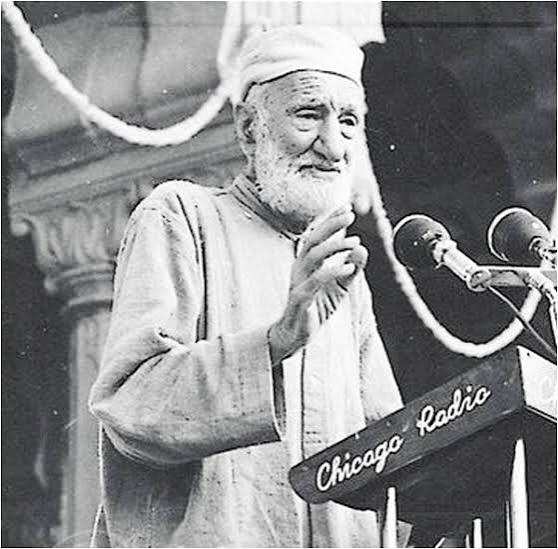 Public Address
Bacha Khan addresses an audience, carrying his message of peace, dignity and public service beyond the region.
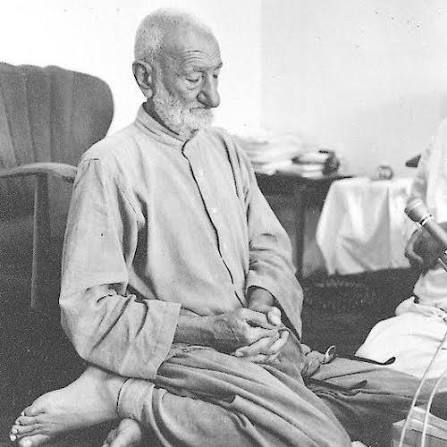 Khudai Khidmatgar Legacy
Bacha Khan in quiet reflection — a historical image associated with the roots of the Khudai Khidmatgar tradition.
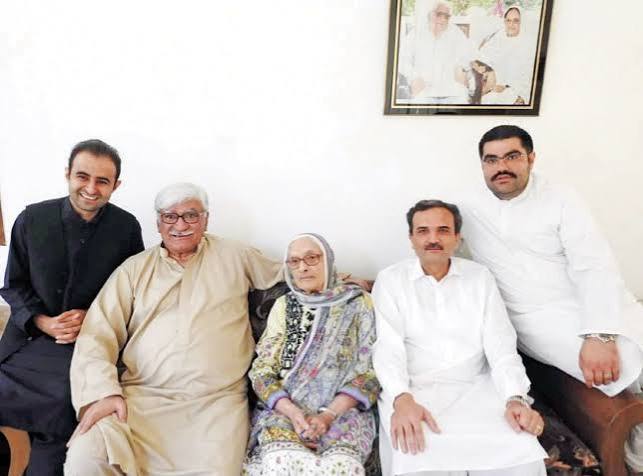 Asfandyar Wali Khan
Asfandyar Wali Khan pictured at a family gathering — a personal view of a central figure in ANP's political history.
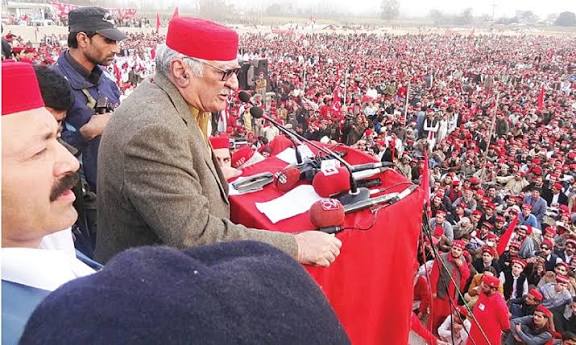 Public Mobilization
Asfandyar Wali Khan addresses a large public gathering, surrounded by the party's distinctive red colours.
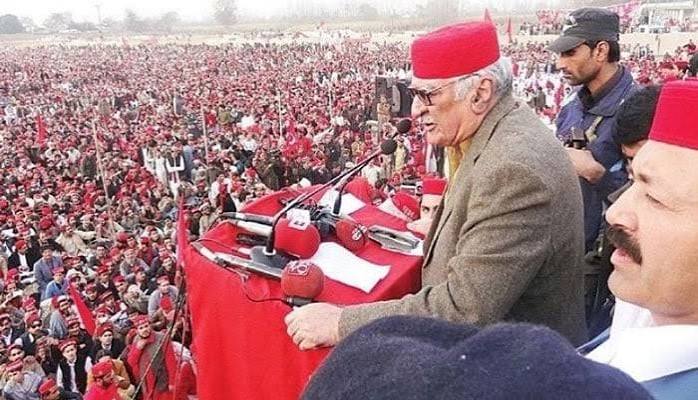 Public Mobilization
A closer view of Asfandyar Wali Khan speaking to supporters at a major ANP public gathering.
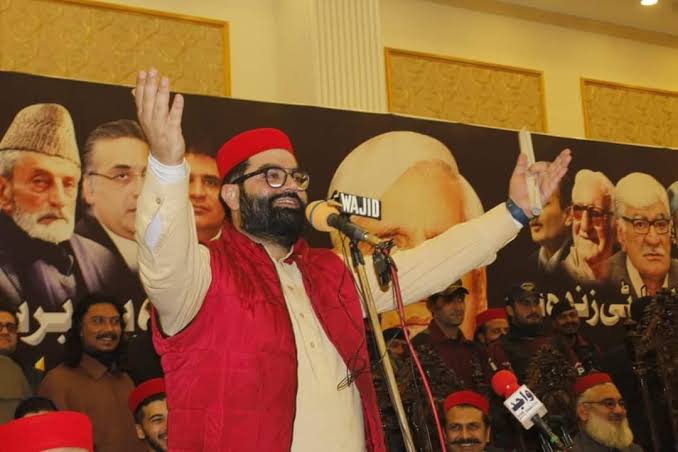 Contemporary ANP
ANP leadership addresses a party gathering, continuing the tradition of direct political engagement with members and supporters.
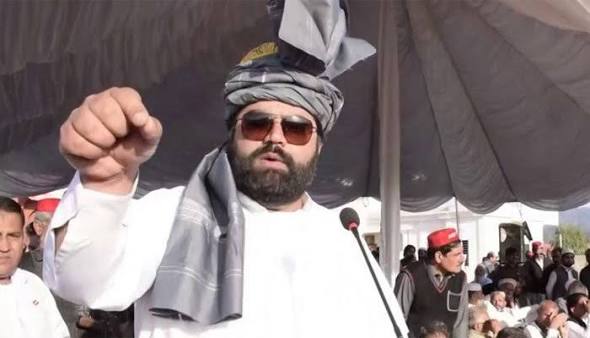 Contemporary ANP
A speaker addresses an ANP gathering as party members and supporters assemble beneath the red-and-white canopy.
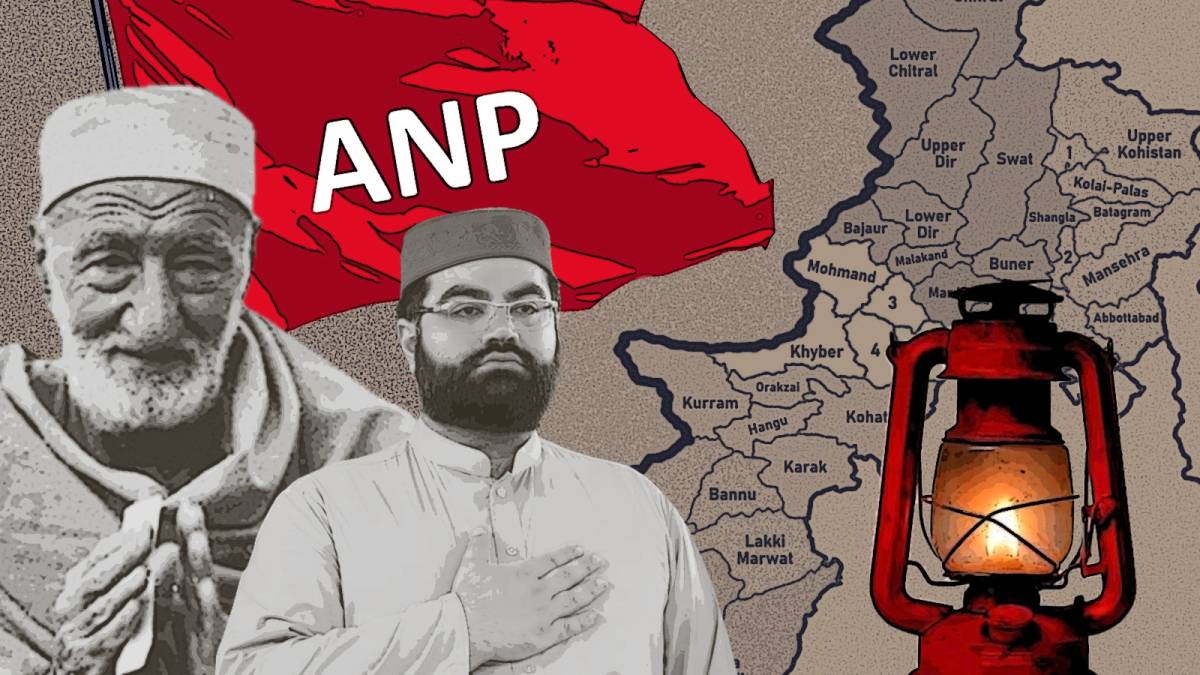 Legacy & Continuity
Contemporary artwork connects ANP's historic leadership, red identity, lantern symbol and political presence in Khyber Pakhtunkhwa.
 Contemporary ANP
A contemporary ANP figure seated beside the party's red flag, representing the continuing organizational tradition in the present day.
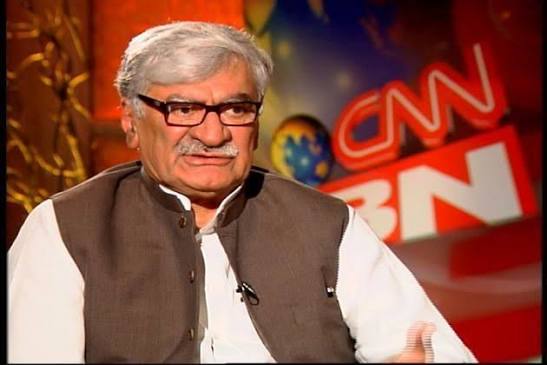 Contemporary ANP
Asfandyar Wali Khan featured in a broadcast interview, carrying the party's message to a wider national and international audience.
Our Journey Continues
From a historic political movement to a modern organizational platform
ANPI Connect brings this long organizational history into the digital age by providing members with a centralized platform for registration, membership management, digital identification, verification and participation in organizational processes.
Our History is not simply a record of the past — it is a record of the people, movements and organizational efforts that shaped the journey of ANP.